The Importance of Fencing in Your Property
Fencing plays a crucial role in defining the boundaries of your property, providing both security and aesthetic appeal. A well-constructed fence not only enhances privacy but also increases the value of your home. Whether it’s to keep pets contained, safeguard children, or simply mark property lines, an effective fence serves multiple purposes. When exploring options, We fix fences and build fences to meet your specific needs.
What Types of Fences We Fix and Build
Understanding the various types of fences available can help you make informed decisions about which works best for your property. Here are some common types of fences we specialize in:
- Wood Fences: These are popular for their natural appearance and ability to blend with landscaping. However, they require regular maintenance to prevent rot and warping.
- Vinyl Fences: A durable and low-maintenance option, vinyl fences come in various styles and colors, making them a versatile choice for any home.
- Chain Link Fences: Often used for security and visibility, chain link fences are economical and can be fitted with privacy slats.
- Aluminum Fences: Lightweight yet strong, aluminum fences can enhance the look of any property without blocking views.
- Composite Fences: Made from recycled materials, composite fencing offers an environmentally friendly solution with the look of wood but enhanced durability.
Understanding Local Fencing Regulations
Before installing or repairing a fence, it is essential to understand local regulations and zoning laws. Many municipalities have specific guidelines regarding fence height, style, and placement. Failing to comply with these regulations can lead to fines and the need to remove or alter your fence. It is wise to consult your local building authority or a professional fencing company to navigate these regulations effectively and ensure your fence is compliant.
Choosing the Right Materials for Your Fence
The materials you choose for your fence will significantly affect its longevity, appearance, and maintenance needs. Here are some points to consider when selecting materials:
- Durability: Opt for materials that withstand your local weather conditions. For instance, metal fences may rust in humid areas, while wood can decay in wet climates.
- Maintenance: Consider how much time and effort you are willing to invest in upkeep. Vinyl and metal often require less maintenance than wood.
- Cost: Balance your budget with your desired aesthetics. While some materials may have a higher upfront cost, they could save you money in maintenance and replacements over time.
Common Fence Issues and Solutions
Even the best fences can encounter issues over time. Understanding these common problems and their solutions can save you time and money in the long run.
Identifying Signs of Fence Damage
Regular inspection of your fence can help identify potential issues before they become major problems. Look for:
- Rotting wood: This is common in wooden fences, especially at the base where moisture accumulates.
- Rust: Metal fences can develop rust, which will compromise their strength and appeal.
- Loose posts: If a post feels wobbly, it may need to be reset or replaced to maintain the integrity of the entire fence.
- Breaks or cracks: Inspect for any physical damage that may require immediate attention to prevent further deterioration.
Cost-Effective Fence Repair Techniques
Repairing a fence can often be a more cost-effective solution than replacing it entirely. Here are some techniques for common issues:
- Wood Fences: For minor rot, cut out the damaged sections and replace them with new wood, sealing the joints to prevent moisture penetration.
- Metal Fences: Sand down any rust spots and apply a protective coating to prevent further rusting.
- Chain Link Fences: Tighten loose sections by adjusting the tension wires, or replace small sections of the fencing as needed.
When to Replace vs. Repair Your Fence
Deciding whether to repair or replace your fence involves assessing the extent of the damage and your budget. A good rule of thumb is to consider replacing a fence if:
- More than 25% of the materials are damaged or rotting.
- Structural integrity is compromised due to loose or missing posts.
- It becomes increasingly costly to maintain.
Step-by-Step Fence Building Process
Building a fence can be a rewarding project. Here is a step-by-step guide to getting started:
Preparing Your Site for Fence Installation
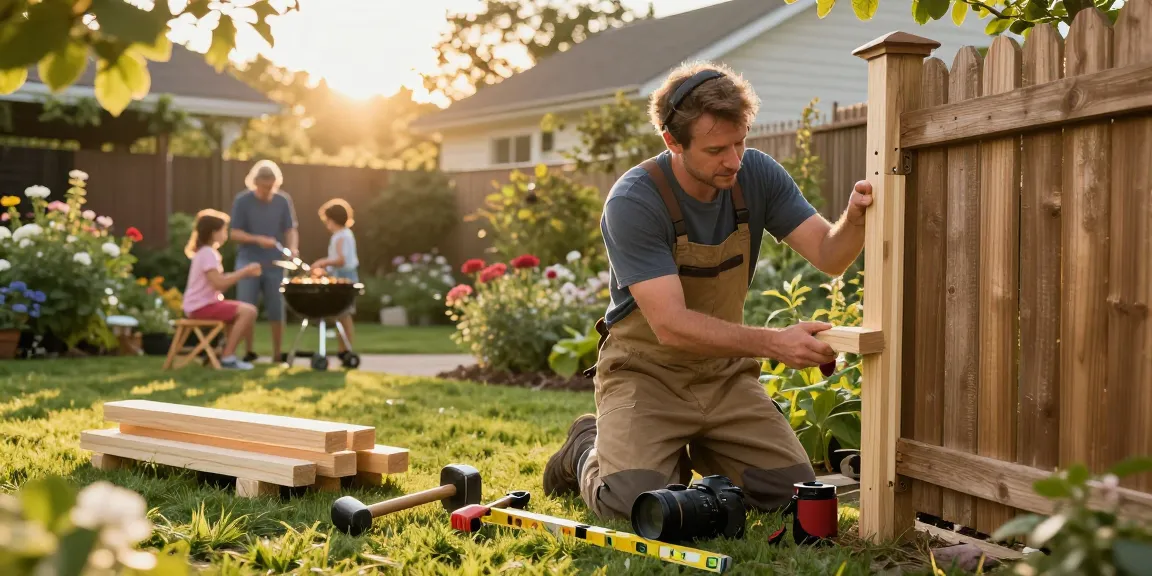
Preparation is key to a successful fencing project. Start by clearing the area where the fence will be installed of any debris, plants, or obstacles. Mark the fence line using stakes and string to ensure your fence is straight and correctly placed.
Tools and Equipment Needed for Building Fences
Having the right tools at hand can make a significant difference in the efficiency and outcome of your project. Here are essential tools you'll need:
- Post hole digger or auger
- Level
- Measuring tape
- Hammer and nails or a drill for screws
- Fence panels or materials
Best Practices for Installing Various Fence Types
Different fence types require specific installation practices:
- Wood Fences: Ensure posts are set in concrete or gravel to provide stability, and apply a weatherproof treatment.
- Vinyl Fences: Follow the manufacturer’s instructions for panel installation, ensuring each post is aligned correctly.
- Chain Link Fences: Use tension bands and wires to secure the fabric to the posts properly.
Choosing the Right Professionals for Fencing
While some homeowners may tackle fencing projects themselves, enlisting professionals can ensure a higher quality result. Here’s how to select the right professionals for your needs:
How to Find Reliable Fence Repair Services
Research local fencing contractors by checking reviews, asking for recommendations, and obtaining multiple quotes. Look for companies that specialize in the type of fencing you need, as they will have the expertise and tools necessary to complete the job effectively.
Questions to Ask Your Fence Contractor
Before hiring a contractor, ask the following questions to gauge their reliability and expertise:
- What is your experience with the type of fence I want to install?
- Can you provide references from previous clients?
- What is your warranty or guarantee on your work?
Evaluating Cost vs. Value in Fence Services
Consider the long-term value of investing in quality fencing services. While it may be tempting to select the lowest bid, prioritize contractors who offer comprehensive services and warranties for their work. This approach can save you costs associated with repairs or replacements in the future.
Future Trends in Fencing: 2026 and Beyond
The fencing industry is evolving, with innovative materials and technology paving the way for smarter, more sustainable options. Here are some trends to watch:
Innovative Materials and Eco-Friendly Options
In 2026, we can expect to see a surge in eco-friendly materials, such as recycled composites and sustainable wood options. These materials not only minimize environmental impact but are also designed to last longer, providing better return on investment.
Impact of Smart Technology on Fencing
As smart homes become increasingly common, so too do smart fences which incorporate technology like motion sensors and cameras. These advancements can enhance security while providing convenience for homeowners.
Preparing for Climate Changes in Fence Construction
With the increasing impact of climate change, it’s crucial to consider weather-resistant materials and designs. Fences that can withstand extreme weather conditions will become more sought after.
What is the average price to fix a fence?
The cost of repairing a fence can vary widely depending on the damage and the materials involved. On average, minor repairs might range from $150 to $300, while significant repairs could reach up to $1,500 or more. Understanding these costs can help homeowners make informed decisions about whether to repair or replace their fence.
What are the benefits of installing a new fence?
Installing a new fence can enhance privacy, security, and the overall aesthetic of your property. Additionally, a well-constructed fence can increase property value and deter trespassers.
What types of fences last the longest?
Typically, vinyl, chain link, and aluminum fences offer longevity and require less maintenance compared to wood fences, which may need more frequent upkeep due to environmental wear and tear.
How to maintain your fence for longevity?
Regular maintenance, such as cleaning, sealing, and inspecting for damage, is essential for extending the life of your fence. For wooden fences, apply a weatherproof sealant every few years, while metal fences might benefit from paint or rust treatment.
What are the most common problems with fences?
Common issues include rotting, rust, warping, and insect damage for wooden fences, and rust for metal fences. Regular inspections can help catch these issues early before they escalate into costly repairs.