








Understanding Custom Pins: What They Are and Why They Matter
Custom pins are versatile accessories that serve as functional, aesthetic, and promotional items across various industries. They hold significant value not only as fashion statements but also as powerful branding tools. Whether you’re looking to enhance your corporate identity or create memorable mementos for events, custom pins can be tailored to meet your specific needs. When exploring options, custom pins provide comprehensive insights into how these products can elevate your business and personal brand.
Defining Custom Pins and Their Variants
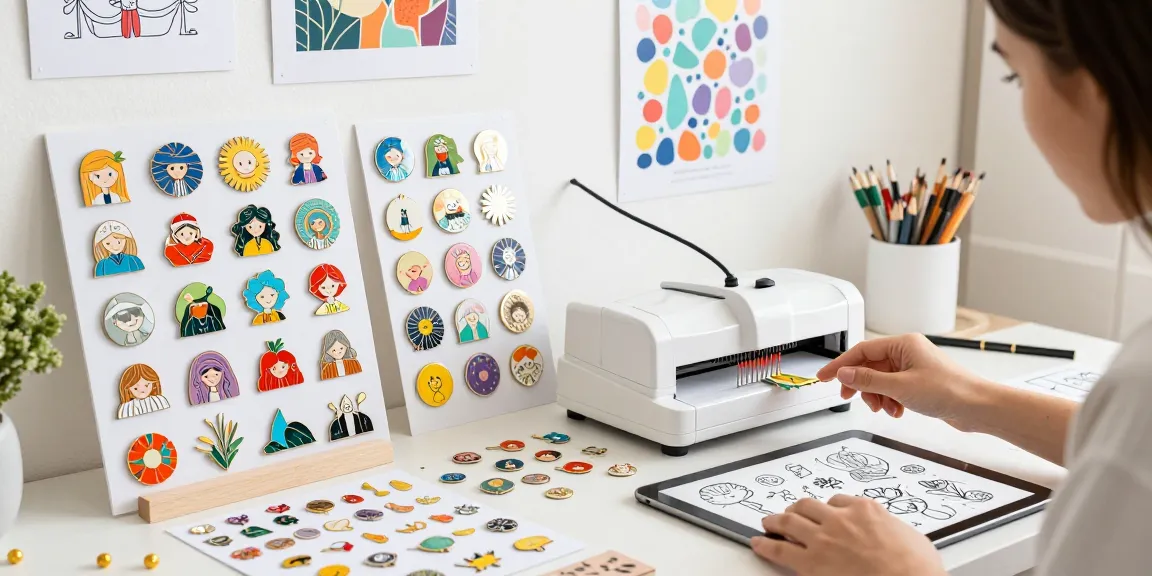
Custom pins can come in various forms, including enamel pins, button pins, acrylic pins, and more. Each type of pin offers unique features that cater to different preferences and uses. For example, enamel pins are made from metal and coated with a colorful enamel finish, which gives them a polished look. In contrast, button pins are typically made from a lightweight material and are often used for promotional purposes due to their affordability. Understanding these variants helps individuals and businesses make informed decisions about which type of pin best suits their needs.
The Versatility of Custom Pins in Branding
Custom pins play a crucial role in branding by acting as visual identifiers. Organizations often use them to establish team unity, promote events, or symbolize achievements. For instance, a company might distribute custom pins to employees as recognition for outstanding performance, fostering a sense of pride and belonging. Additionally, custom pins can be designed to reflect brand colors, logos, and messages, transforming them into effective marketing tools that resonate with audiences.
How Custom Pins Serve Different Purposes
The multifunctionality of custom pins is one of their most appealing aspects. From commemorative events to awareness campaigns, these pins can be customized to meet specific objectives. Schools and associations frequently issue custom pins to celebrate accomplishments or recognize membership milestones. Likewise, non-profit organizations utilize pins to raise awareness for causes, with designs that represent their mission and values. By catering to various purposes, custom pins remain relevant and valuable in countless contexts.
Current Trends in Custom Pins for 2026
As the market evolves, so do the aesthetics and functionalities of custom pins. Keeping abreast of these trends is vital for those looking to remain competitive and innovative in their designs.
Innovative Materials and Designs Emerging in the Market
The future of custom pins is leaning towards innovative materials and eco-friendly options. Many manufacturers are exploring sustainable materials such as recycled metals and biodegradable plastics. This shift not only meets consumer demand for green products but also positions brands as socially responsible. Furthermore, advancements in printing and production technologies have allowed for more intricate designs and vibrant color palettes, making pins more appealing to a broader audience.
The Influence of Pop Culture on Custom Pin Trends
Pop culture continues to shape the design landscape of custom pins, with trends often reflecting prevailing societal interests. From animated series to blockbuster movies, cultural phenomena frequently inspire pin designs. For example, pins featuring characters from popular shows or films can become highly sought after, tapping into fan merchandise markets. Staying attuned to current pop culture trends can help designers create pins that appeal to targeted demographics.
Environmental Considerations in Custom Pin Production
As consumer consciousness regarding sustainability rises, the demand for environmentally friendly practices in custom pin production has surged. Brands are now focusing on reducing their carbon footprint by implementing sustainable sourcing and manufacturing processes. This includes using low-emission production methods, sourcing raw materials responsibly, and minimizing waste. Emphasizing these practices can significantly enhance a company’s image, attracting environmentally aware consumers.
Creating Your Own Custom Pins: A Step-by-Step Guide
Designing your own custom pins can be an exciting and rewarding process. By following a structured approach, you can create pins that effectively communicate your intended message.
Choosing the Right Type of Custom Pin for Your Needs
The first step in creating custom pins is to determine the type that aligns with your goals. Consider whether you prefer a more traditional look with enamel pins or a casual aesthetic with button pins. Each option provides distinct benefits, so assessing your target audience and the occasion can guide your decision. Additionally, acrylic pins offer unique opportunities for creative designs, providing a modern touch that appeals to younger consumers.
Designing Your Custom Pin: Tips and Tools
Design is crucial in the pin creation process. Utilize graphic design software like Adobe Illustrator or Canva to create your pin design. It’s important to ensure that your design is clear and scalable. When designing, keep in mind the colors, shapes, and elements that resonate with your branding. Seeking feedback from peers or potential customers can also be invaluable, helping you refine your design before production.
Understanding the Production Process of Custom Pins
Once your design is finalized, it’s essential to understand the production process. This typically begins with prototype creation, allowing you to see a sample of your pin before full-scale production. Many manufacturers provide digital proofs or mock-ups to ensure the final product meets your expectations. After approving the prototype, the actual pins will be produced using techniques such as die-striking, soft or hard enamel filling, and printing. Familiarizing yourself with these processes can help you prepare for any challenges that may arise during production.
Effective Marketing Strategies for Custom Pins
Successfully marketing custom pins requires an understanding of your target audience and the best channels to reach them.
Leveraging Social Media to Showcase Custom Pins
Social media platforms like Instagram and Pinterest are excellent avenues for showcasing custom pins. Visual content thrives on these platforms, making them ideal for displaying beautiful designs. Engaging with potential customers through attractive images, stories, and interactive content can create interest and drive sales. Moreover, collaborating with influencers or brand ambassadors can widen your reach and lend credibility to your products.
Building a Brand Around Custom Pins
Establishing a brand identity around your custom pins involves creating a cohesive look and narrative. Utilize consistent branding across your marketing channels, from packaging to social media. Crafting a compelling story about your brand’s journey and values can resonate with consumers, making them more likely to support your products. Additionally, offering exclusive designs or limited editions can foster a sense of urgency and exclusivity, further enhancing brand loyalty.
Collaborative Promotions and Partnerships with Custom Pins
Another effective marketing strategy involves forming partnerships with other brands or organizations. Collaborative promotions can introduce your custom pins to new audiences while benefiting both parties. For instance, teaming up with a local charity to create pins unique to a fundraiser not only raises money but also generates community interest in your brand. These partnerships can pave the way for future collaborations, amplifying your marketing reach.
Measuring the Success of Your Custom Pin Campaigns
Evaluating the effectiveness of your custom pin campaigns is essential for continuous improvement and growth.
Key Performance Indicators for Custom Pin Sales
Establish clear key performance indicators (KPIs) to assess the success of your custom pin sales. Metrics such as total sales, profit margins, customer acquisition cost, and return on investment are crucial for understanding your campaign’s effectiveness. Tracking these KPIs allows you to pinpoint successful strategies and areas that may require adjustment.
Gathering Customer Feedback on Custom Pins
Customer feedback provides invaluable insights into how your pins are received. Utilize surveys, social media interactions, and direct communication channels to solicit input from buyers. Understanding customer experiences can guide future design choices and marketing strategies. Positive testimonials can also serve as powerful endorsements when promoted through marketing materials.
Adapting Your Strategies Based on Market Analytics
Staying agile and responsive to market trends is vital for sustaining success. Utilize analytics tools to monitor sales data and customer behavior. By adapting your strategies based on these insights, you can refine your product offerings, adjust marketing efforts, and better meet consumer demands. This proactive approach can help you maintain relevance in the ever-evolving landscape of custom pins.
What are the different types of custom pins?
There are several types of custom pins, including enamel pins, button pins, acrylic pins, and soft or hard enamel pins. Each type has unique characteristics suited to different occasions and branding purposes.
How can I effectively market my custom pins?
Effective marketing strategies include leveraging social media, building a brand identity, and engaging in collaborative promotions. Focusing on visual content and storytelling can help draw attention to your pins.
What trends should I watch for in custom pins in 2026?
Stay attuned to trends such as environmentally friendly materials, pop culture influences, and innovative design technologies. These elements can significantly impact consumer preferences and industry standards.
How do I create a design for custom pins?
Utilizing graphic design software, considering color schemes and themes, and seeking feedback are essential steps in developing an effective pin design.
What materials are commonly used in custom pins?
Common materials for custom pins include metal, enamel, plastics, and acrylic. The choice of material can affect the pin’s appearance, durability, and cost.