









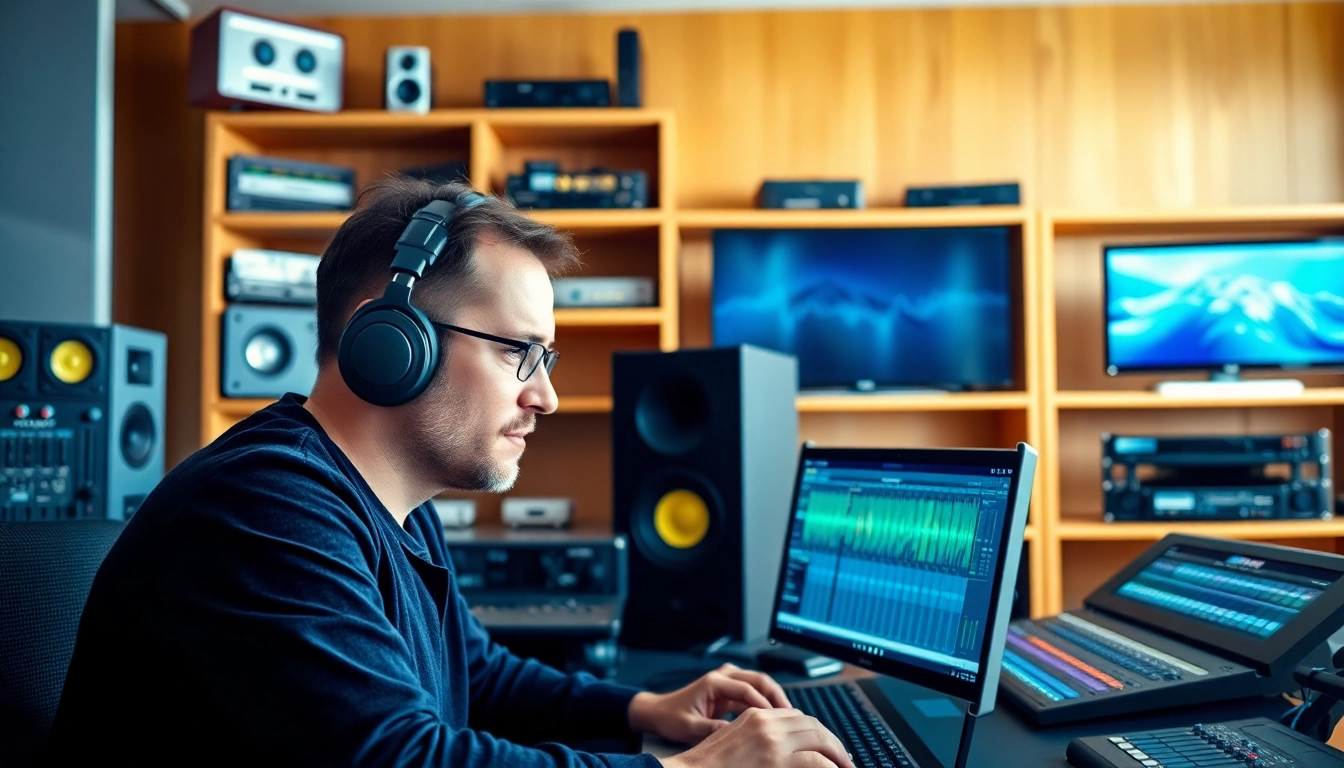
Understanding Online Audio Mastering
What is Online Audio Mastering?
Online audio mastering is the final step in the music production process that prepares a track for distribution. It involves fine-tuning the audio to ensure optimal sound quality and consistency across different playback devices. This entire process is now frequently conducted over the internet, allowing artists and producers to send their tracks to professional mastering engineers remotely, simplifying collaboration and reducing costs. By utilizing a service, musicians can focus on their creativity while ensuring their sound is polished through expert techniques. For better insights and a broader understanding, explore the world of online audio mastering at online audio mastering.
Importance of Online Audio Mastering
The importance of online audio mastering cannot be overstated, particularly in today’s digital age. This process not only enhances the audio quality but also prepares a track for various formats, ensuring that it sounds its best whether played through headphones, car speakers, or high-end sound systems. Additionally, professional mastering helps to establish an artist’s sound identity, making their work more competitive and marketable. Proper mastering can significantly influence listener experience, ultimately impacting the track’s commercial success.
How Online Audio Mastering Differs from Mixing
It’s crucial to distinguish between mixing and mastering, as they serve different purposes in music production. Mixing is the process where individual audio tracks (vocals, instruments, etc.) are blended together. It involves adjusting levels, panning, and effects to create a cohesive sound. On the other hand, mastering is the final polish that ensures the mixed track translates well across multiple systems. While mixing is typically done at a DAW level, mastering is concerned with the broader representation of the track as a standalone piece. Understanding this difference ensures that each aspect of music production is given the attention it deserves.
Benefits of Online Audio Mastering
Professional Sound Quality
One of the most significant benefits of online audio mastering is achieving a professional sound quality that can elevate a track from amateur to industry-standard. Online mastering services utilize high-quality equipment and techniques that may be inaccessible for independent artists. Mastering engineers often have extensive experience and can make informed choices about dynamics, loudness, and tonal balance, ultimately benefiting the overall sound.
Cost-effectiveness of Online Solutions
Online audio mastering is often more affordable than traditional mastering sessions in a studio. Without the overhead costs associated with physical studio space and equipment, online services can pass savings onto artists. This affordability opens up mastering to a broader range of artists, including budding musicians looking to polish their tracks without breaking the bank.
Quick Turnaround Time
Another notable advantage of online audio mastering is the quick turnaround time. Many online mastering services offer fast delivery options, allowing artists to receive their mastered tracks usually within a few days. This speed is essential in today’s fast-paced music industry, where artists must release their content promptly to stay relevant.
Best Practices for Online Audio Mastering
Preparing Your Tracks for Mastering
Proper preparation is key to successful online audio mastering. Before uploading tracks, artists should ensure that their mixes are as polished as possible. This means checking levels, removing unnecessary noises, and ensuring that there are no clipping or distortion issues. Providing the mastering engineer with a clean, well-balanced mix will facilitate a smoother mastering process and yield better results.
Choosing the Right Online Mastering Service
With numerous options available, choosing the right online mastering service can seem overwhelming. Factors to consider include the service’s reputation, turnaround time, pricing, and any provided guarantees about the quality of work. Listening to samples from past clients can offer insights into the mastering style and quality, helping artists to make informed decisions. Customer reviews and testimonials can also aid in identifying a trustworthy service.
Understanding Mastering Formats and Delivery
Artists must also understand the various formats and delivery options associated with mastering. Typically, mastered tracks are delivered in high-resolution formats suitable for streaming and distribution. Knowing the required specifications for different platforms (like streaming services and digital downloads) is essential to ensure optimal playback quality. Clear communication with the mastering service about these requirements will save time and minimize issues down the line.
Common Challenges in Online Audio Mastering
Balancing Loudness and Dynamics
One of the most significant challenges in online audio mastering is finding the right balance between loudness and dynamics. In today’s music landscape, many tracks feature aggressive loudness levels, which can compromise dynamic range. Mastering engineers must carefully adjust levels to enhance loudness while preserving the emotional impact and dynamics of the music. Insight into the genre’s loudness standards can help guide this process.
Addressing Common Audio Issues
Online mastering can also encounter common audio issues such as frequency clashes, muddiness, and uneven tonal balance. These issues often arise from the mixing stage but can be amplified when the track is mastered. Mastering engineers need to be adept at identifying and correcting these problems, often using EQ and compression techniques to ensure a polished final product. Understanding these common issues can help artists prepare better mixes for mastering.
Dealing with User Expectations
Another challenge is managing user expectations. Artists may have specific ideas about how they want their music to sound but may not fully understand the technical aspects of mastering. It’s essential for mastering services to provide avenues for feedback and ensure artists are involved in the process. Clear communication about achievable results and the limitations of mastering can prevent misunderstandings and ensure satisfaction with the final product.
Measuring Success in Online Audio Mastering
Reviewing Mastered Tracks Effectively
Measuring quality in online audio mastering can be subjective; however, artists can develop systematic methods to review their mastered tracks effectively. Listening across various playback systems—like car speakers, headphones, and home systems—allows artists to hear how the track translates in different environments. Noting down strengths and weaknesses can provide a comprehensive understanding of the mastering job.
Feedback and Iteration Process
Receiving feedback from trusted colleagues or fans can provide valuable insights into the effectiveness of the mastering. Artists should establish a constructive feedback loop with their mastering service, allowing for iteration if changes are needed. This process not only improves the current project but enhances the artist’s understanding of audio quality over time.
Establishing Quality Metrics
Establishing quality metrics is important for assessing the effectiveness of the online audio mastering process. This can involve technical metrics like loudness measurements, dynamic range, and frequency response as well as subjective metrics that consider emotional impact and listener engagement. By evaluating both aspects, artists can develop a comprehensive understanding of what constitutes a successful mastering job.
Frequently Asked Questions
What is the difference between mixing and mastering?
Mixing blends multiple audio tracks into a cohesive sound, while mastering focuses on optimizing the final mix for distribution, ensuring it sounds good across all formats.
How much does online audio mastering usually cost?
Prices for online audio mastering can range widely, typically starting from around $30 to about $200 per track, depending on the service and quality offered.
Can I master my track myself?
While you can master your track yourself using software tools, professional mastering can significantly enhance the quality, as experienced engineers have specialized skills and equipment.
How long does online mastering typically take?
Online mastering turnaround times can vary, but many services offer delivery within 1 to 3 days. Some may provide expedited options for quicker delivery.
What formats should I use for mastering?
The preferred mastering format is usually a high-resolution file like WAV or AIFF, with 24-bit depth and sample rates of 48kHz or higher, depending on distribution needs.