










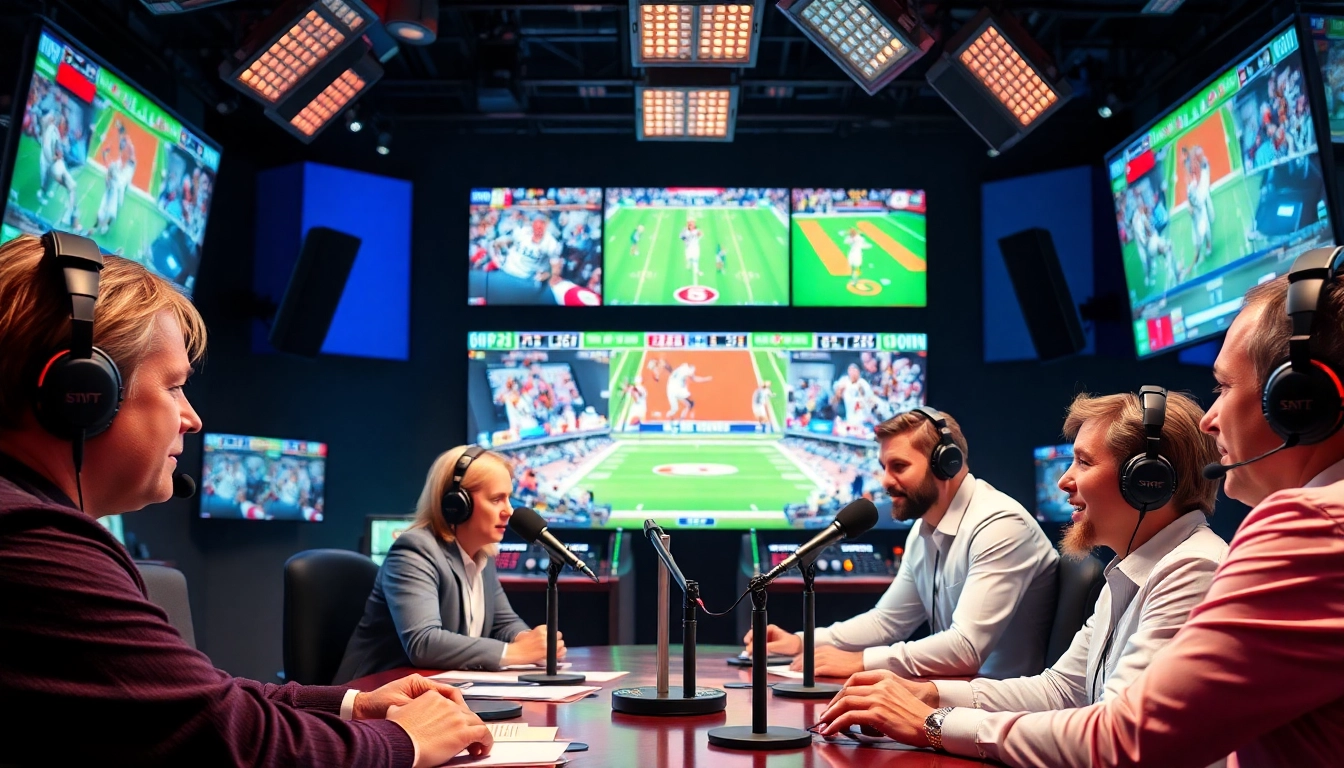
Understanding Sports Broadcasting Fundamentals
What is Sports Broadcasting?
Sports broadcasting is the media sector that delivers sports events and analysis to audiences via various platforms, including television, radio, and the internet. It encompasses live play-by-play commentary, pre-game and post-game analysis, and various related programs that enhance the viewer’s experience. The rise of digital technology has also allowed for Sports Broadcasting to evolve, adapting to the changing consumption habits of audiences worldwide.
Key Roles in Sports Broadcasting
Sports broadcasting involves several critical roles that work together to provide a seamless experience for viewers. Key roles include:
- Commentator: Responsible for play-by-play narration, providing insights, and keeping the audience engaged with live updates.
- Analyst: Offers expert opinions and in-depth analysis of the game’s strategies, player performances, and other critical elements.
- Producer: Oversees the production team, ensuring the broadcast runs smoothly and all planned segments are executed correctly.
- Cameraman: Operates cameras to capture live footage, ensuring the best angles are used to provide a dynamic viewing experience.
- Technical Director: Manages the technical aspects of the broadcast, including sound, lighting, and video feeds.
Essential Skills for Sports Broadcasters
Becoming a successful sports broadcaster requires various skills:
- Communication: The ability to convey information clearly and engagingly is essential.
- Research: Extensive background knowledge about various sports, players, teams, and statistics enhances credibility.
- Critical Thinking: Ability to analyze situations quickly and provide relevant insights during live broadcasts.
- Technical Proficiency: Understanding broadcasting equipment and software is crucial for seamless live and post-production.
- Networking: Building relationships within the sports industry can open up opportunities for career advancement.
Technology in Sports Broadcasting
The Role of HD and 4K in Broadcasting
High Definition (HD) and 4K technologies have revolutionized sports broadcasting by enhancing visual quality. With HD broadcasts, details such as a player’s facial expressions or the movement of a ball become more pronounced, immersing the audience in the experience. 4K takes this a step further, offering even sharper images that make viewers feel like they are part of the action. As technology advances, broadcasters are adopting these formats to keep pace with viewer expectations and offer unparalleled viewing quality.
Utilizing Streaming Platforms for Sports Broadcasting
The rise of digital streaming platforms has transformed how fans consume sports content. Services like OTT (over-the-top) platforms enable fans to watch live games on various devices, anytime, anywhere. This flexibility fosters fan engagement and expands audience reach, making it essential for broadcasters to adapt their strategies to include these platforms. Additionally, interactive features on streaming platforms allow viewers to access real-time statistics and commentary, enhancing the overall experience.
Innovations in Broadcasting Equipment
Technological advancements in broadcasting equipment have played a crucial role in enhancing sports coverage. Innovations include drone cameras for aerial shots, advanced graphics for on-screen statistics, and sophisticated sound systems that provide immersive audio experiences. These tools enable broadcasters to present a more engaging narrative and offer unique perspectives during live events, further captivating audiences and improving content quality.
Content Creation and Storytelling
Crafting Engaging Sports Narratives
Successful sports broadcasting goes beyond merely reporting scores; it involves telling compelling stories that resonate with viewers. Broadcasters must develop narratives that highlight key moments, like comebacks or personal victories, and connect emotionally with the audience. By incorporating personal stories and statistical data, broadcasters can create a more engaging viewing experience that stimulates interest and loyalty among fans.
Researching for Accurate Sports Coverage
Thorough research is the foundation of credible sports broadcasting. Broadcasters need to stay informed about player injuries, team dynamics, and recent performances. Gathering diverse information from various sources, including statistics, interviews, and expert analyses, helps create a well-rounded perspective for audiences. This meticulous research process enhances the reliability of the information presented, ultimately fostering viewer trust.
Leveraging Social Media for Content Promotion
Social media has emerged as an indispensable tool for promoting sports content. Broadcasters can engage with fans directly through platforms like Twitter, Facebook, and Instagram, sharing highlights, behind-the-scenes content, and live commentary. This interaction not only boosts audience engagement but also provides valuable feedback that broadcasters can use to adjust their strategies. Harnessing these channels effectively can significantly enhance a broadcaster’s reach and viewer loyalty.
Challenges in Sports Broadcasting
Overcoming Technical Difficulties
Technical difficulties are an inevitable part of live sports broadcasting. Issues like equipment malfunctions, connectivity problems, or power outages can disrupt the flow of a broadcast. To mitigate these problems, broadcasters must invest in high-quality equipment and backup systems. Regular maintenance and pre-game checks are critical, ensuring all technology is functional before the event starts. Training staff to handle unexpected scenarios can also help maintain broadcast quality.
Navigating Regulatory Constraints
Sports broadcasters face various regulatory constraints, including licensing rights and broadcasting laws that vary by region. Understanding these regulations is crucial to avoid fines and legal issues. Broadcasters must also negotiate contracts with leagues and teams to secure rights to broadcast specific events. Establishing strong legal teams and staying updated on regulatory changes can help broadcasters navigate these challenges effectively.
Handling Live Audience Interaction
Engaging with live audiences during broadcasts presents unique challenges, especially when responding to real-time feedback. Broadcasters must strike a balance between maintaining the professional tone of the broadcast and being responsive to fan interactions. Utilizing social media platforms for Q&A sessions and incorporating fan-generated content can foster a sense of community. However, it’s essential to have protocols in place to manage inappropriate content and ensure a positive viewer experience.
Future Trends in Sports Broadcasting
The Rise of Virtual Reality in Sports
Virtual Reality (VR) is set to revolutionize sports broadcasting by providing immersive experiences that traditional broadcasts cannot match. Fans can enjoy a 360-degree view of games from multiple angles, making them feel as if they are on the field. As VR technology becomes more accessible, broadcasters will need to invest in this area to create engaging content that offers an unprecedented viewer experience.
Impacts of AI on Broadcasting Techniques
Artificial Intelligence (AI) is making waves in sports broadcasting by enhancing analytics, automating repetitive tasks, and even generating highlights. AI can analyze vast amounts of data to provide deeper insights into player performance, enabling richer storytelling. Broadcasters can automate aspects of production, reducing costs and increasing efficiency. As AI technologies evolve, they will likely play a critical role in shaping the future of broadcasting.
Building Brand Loyalty through Viewer Engagement
Engagement is crucial to building brand loyalty among sports fans. By leveraging interactive technologies and personalized content, broadcasters can create a more intimate connection with their audience. Regularly soliciting feedback, creating fan contests, and hosting viewer-led segments can enhance the sense of community around a broadcast. Understanding audience preferences and responding to their needs fosters loyalty and drives long-term viewership.
Frequently Asked Questions
What skills are essential for sports broadcasters?
Essential skills include strong communication, research abilities, critical thinking, technical proficiency, and networking skills.
How has technology changed sports broadcasting?
Technology has enabled high-definition broadcasts, 4K viewing, and digital streaming, enhancing the viewer experience significantly.
What are the main challenges in sports broadcasting?
Challenges include technical difficulties, regulatory constraints, and managing live audience interactions effectively.
What role do social media play in sports broadcasting?
Social media promotes content, enhances engagement, and provides direct interaction between broadcasters and audiences.
How will virtual reality impact future broadcasts?
VR will provide immersive viewing experiences, allowing fans to experience events as if they were physically present on-site.